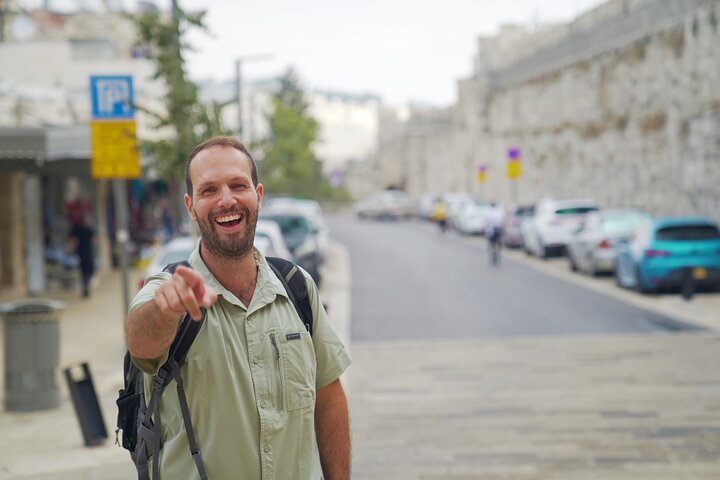
Things to Do in Jerusalem
Where three faiths collide over cardamom coffee at dawn
Top Things to Do in Jerusalem
Find activities and tours you'll actually want to do. Book through our partners -- no booking fees.


Plan Your Trip
Essential guides for timing and budgeting
Climate Guide
Best times to visit based on weather and events
View guide →Day Trips
The best excursions and nearby destinations worth the journey
Explore day trips →Where to Stay
Best neighbourhoods, hotel picks, and booking tips
Find hotels →Travel Insurance
What's required, what coverage matters, and how to get a quote
Read guide →What to Pack
Climate-specific gear, essentials, and what to leave at home
See packing list →When Should You Visit Jerusalem?
Tap a month for weather, crowds, and highlights
View full year-round climate guide →

Your Guide to Jerusalem
About Jerusalem
Jerusalem wakes at 4:30 AM with the first call to prayer from Al-Aqsa, a chant that skims the Kidron Valley and ricochets off the Old City's limestone walls. By 5 AM you're wedged in the Arab shuk, dodging crates of apricots while cumin smoke coats your throat. Armenian bakers in the Christian Quarter shove sesame-crusted ka'ak into ovens fired since 1927.
Holy time runs this city. Shabbat sirens scream through Mahane Yehuda on Friday afternoons, sending Tel Avivians sprinting for challah. Sunday brings church bells from the Church of the Holy Sepulcher down Via Dolorosa where tour groups clutch $3.50 cardboard crosses sold by vendors unchanged since 1967. The real Jerusalem lives between these beats.
On Emek Refaim Street in German Colony, Ethiopian grandmothers haggle over injera in fluent Hebrew earned across 30 years. Archaeologists still unearth Bar Kokhba coins in tunnels beneath the Western Wall. Outside Damascus Gate, the best 15 shekel ($4) falafel arrives while Palestinian teens vault Ottoman stone. The catch?
Hotels triple during Passover and Easter when the Old City becomes devotion plus selfie sticks. Fix it. Come in February when winter rain scrubs the stones and prices drop 30%. Or October when air turns crisp for Mount of Olives hikes without melting. Jerusalem ignores your itinerary. Incense and pita steam hijack your senses.
Church bells duel muezzin calls. Three thousand years press on your shoulders until you grasp why people still fight over these stones.
Travel Tips
Transportation: Download Moovit before touchdown. It alone tracks Jerusalem's chaotic buses. The light rail from Central Bus Station to the Old City costs 5.90 shekels ($1.60) and takes 22 minutes. Skip rush hour unless you enjoy human sandwiches. Sheruts from Damascus Gate to Bethlehem leave every 10 minutes for 7 shekels ($1.90). They only depart when full. Budget an extra 15 minutes. Shabbat shutdown starts Friday at 4 PM. Taxis triple their rates. Book Thursday or lace up your shoes.
Money: Israel loves cards. The Arab Quarter and holy sites demand cash. ATMs sting 15 shekel ($4) fees. Hit the post office on Jaffa Road instead. Tipping rules: 10% in restaurants, round up for street food. Smart move? Download Bits of Gold to lock USD rates before arrival. Some East Jerusalem money changers beat bank rates. Count your shekels twice. I watched a tourist lose 100 shekels to a magician in broad daylight.
Cultural Respect: Western Wall rules: cover shoulders and knees. Women grab a free scarf for head covering. Friday night at the Wall sizzles. Do not photograph Orthodox men mid-prayer. They will correct you. Temple Mount access is tight. Non-Muslims enter 7:30-11 AM Sunday-Thursday via Mughrabi Gate only. The Dome of the Rock is closed to non-Muslims now. Al-Aqsa courtyard still delivers killer views. In Arab markets, say 'marhaba' for better prices. Hebrew won't help. Ramadan warning: eating in public during daylight is rude. Use hotel restaurants or the Jewish side.
Food Safety: Street food law: locals queuing equals safe. The falafel cart outside Damascus Gate feeds 300 people daily. Go there. Mahane Yehuda vendors mist produce hourly. Buy from stalls with actual water systems. Skip raw veg in East Jerusalem unless you're seated. Lesser-known place? Abu Shukri's hummus in the Old City. Look for the taxi-driver queue at 10 AM. Tap water is safe except in ultra-Orthodox areas that filter. Bring Imodium anyway. Jerusalem spice levels will ambush your stomach.
When to Visit
March-May equals gold: 18-24°C (64-75°F) with almond blossoms carpeting the Kidron Valley and hotels 20% under peak. April's Passover and Easter turn the Old City into gridlock. Rates spike 50%. The energy is insane. Three religions party at once. June-August is brutal: 30-35°C (86-95°F) and the stones sweat. Dawn at the Western Wall feels private. July-August flights from North America drop 35%.
September-October brings perfect hiking at 22-28°C (72-82°F). High Holidays empty the city. Hotels crash 40%. Most restaurants close for Rosh Hashanah and Yom Kippur. November is sneaky good: 15-22°C (59-72°F), no holidays, olive harvest in Judean Hills. December-February runs 8-15°C (46-59°F) with occasional snow that paralyzes everything.
Christmas in Bethlehem, 20 minutes away, is pure magic. Luxury hotels hit yearly lows. Expect 60% discounts.
Budget travelers: target February or early December. Four-star hotels drop to $120/night. Families: late October equals empty museums and 25°C weather for outdoor digs. Luxury crowd: April-May delivers pool days at King David for $400/night versus summer's $650. Solo travelers: September offers hostel beds at $25 and empty trails through Wadi Qelt. Skip mid-March. Negev sandstorms paint everything orange for days.
More Ways to Experience Jerusalem
Tours, day trips, and local experiences curated by on-the-ground operators.
Didn't see anything interesting yet?
Browse Viator's full catalog of tours, day trips, food experiences, and private guides in Jerusalem.
See All Jerusalem Tours on Viator